Strategic Government & Institutional Coordination
Institutional Affairs represents the strategic bridge between public institutions, regulatory authorities, and private-sector execution.
Indomitable Nexus Global Trade operates at the intersection of economic diplomacy, government coordination, and structured market implementation. We align national development priorities with credible industrial capacity, ensuring that cooperation frameworks translate into measurable economic outcomes.
Our role is not merely advisory.
We facilitate structured engagement between U.S. federal and state institutions, African ministries, sovereign agencies, and strategic investors to advance sustainable trade, infrastructure development, and long-term industrial partnerships.
Through disciplined alignment, regulatory compliance, and transparent coordination, we help transform institutional dialogue into executable economic impact.

Institutional Strategy & Government Coordination
Strategic Government & Institutional Cooperation
Indomptables Nexus Global Trade operates at the intersection of institutional diplomacy, strategic industry, and structured market execution between the United States and African nations In today’s global economic environment defined by supply chain realignment, energy transition, critical mineral security, and industrial modernization institutional cooperation must translate into measurable economic outcomes.We serve as an operational bridge between governments, regulatory bodies, sovereign institutions, and private sector leaders to ensure that bilateral dialogue becomes executable commercial progress.
Institutional Mandate
Our institutional mandate is grounded in three core pillars:
1. Strategic Alignment
Aligning national development priorities with private-sector execution capacity.
2. Economic Security & Supply Chain Resilience
Supporting initiatives that strengthen critical mineral access, industrial supply networks, and energy security frameworks.
3. Sustainable Bilateral Growth
Facilitating long-term, mutually beneficial economic cooperation between the United States and African economies.
Government &Public Sector
Indomptables Nexus Global Trade works in coordination with:
- Federal and State Authorities
- Ministries of Trade, Industry, and Energy
- Investment Promotion Agencies
- Sovereign Development Institutions
- Public Infrastructure Authorities
- Strategic Export & Import Agencies
We assist in structuring:
- Public-private partnerships
- Government procurement pathways
- Cross-border trade frameworks
- Strategic resource development agreements
- Industrial modernization initiatives
Our objective is not symbolic representation.
Our objective is structured execution.
OPERATIONAL FOCUS
Strategic Sectors of Institutional Cooperation
Our institutional engagements extend across sectors critical to national development and global competitiveness:
- Rare Earth Minerals & Strategic Natural Resources
- Energy Infrastructure & Transition Technologies
- Advanced Manufacturing & Industrial Equipment
- Agro-Industrial Development & Food Security
- Automotive Ecosystems & Spare Parts Distribution
- Technology Deployment & Digital Infrastructure
- Distillery & Beverage Industry Market Expansion
Each sector is approached through structured compliance, regulatory awareness, and long-term economic integration strategy.
Policy & Compliance Commitment
We operate under strict adherence to:
- U.S. regulatory standards
- International trade compliance frameworks
- Transparent contractual structures
- Responsible investment principles
- Ethical cross-border engagement
Institutional credibility is foundational to sustainable expansion.
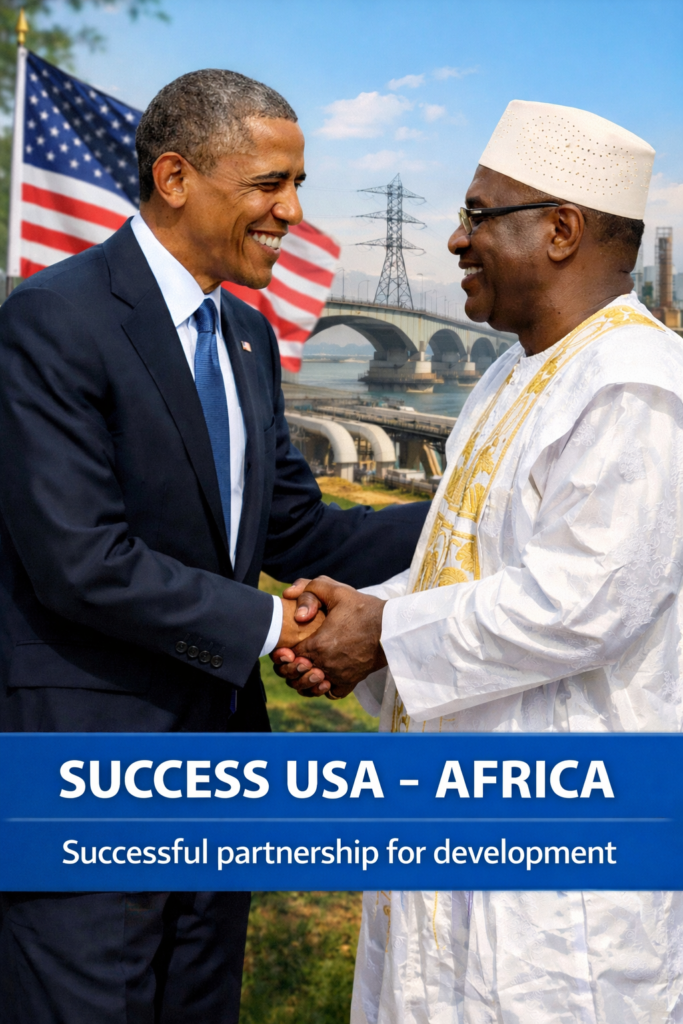
Our Strategic Vision
Our vision is to become a premier transatlantic institutional platform supporting strategic cooperation, responsible investment, and durable commercial partnerships between the United States and Africa.
By aligning public policy, industrial capacity, and market opportunity, Indomptables Nexus Global Trade contributes to economic resilience, shared prosperity, and long-term geopolitical stability.